How to Write Product Listings That Sell
A good product listing answers a buyer's questions before they ask. Learn how to write clear titles, use the right photos, structure descriptions and list complete specifications.
Zenlithic Insights
Practical solar PV design calculations with formulas and checklists — plus perspective on technology, business and careers.
Learning path
10 step-by-step guides in reading order — string and inverter sizing, cables, energy yield, layout, irradiance, transformers and SLDs. Every calculation is worked through with stated assumptions.
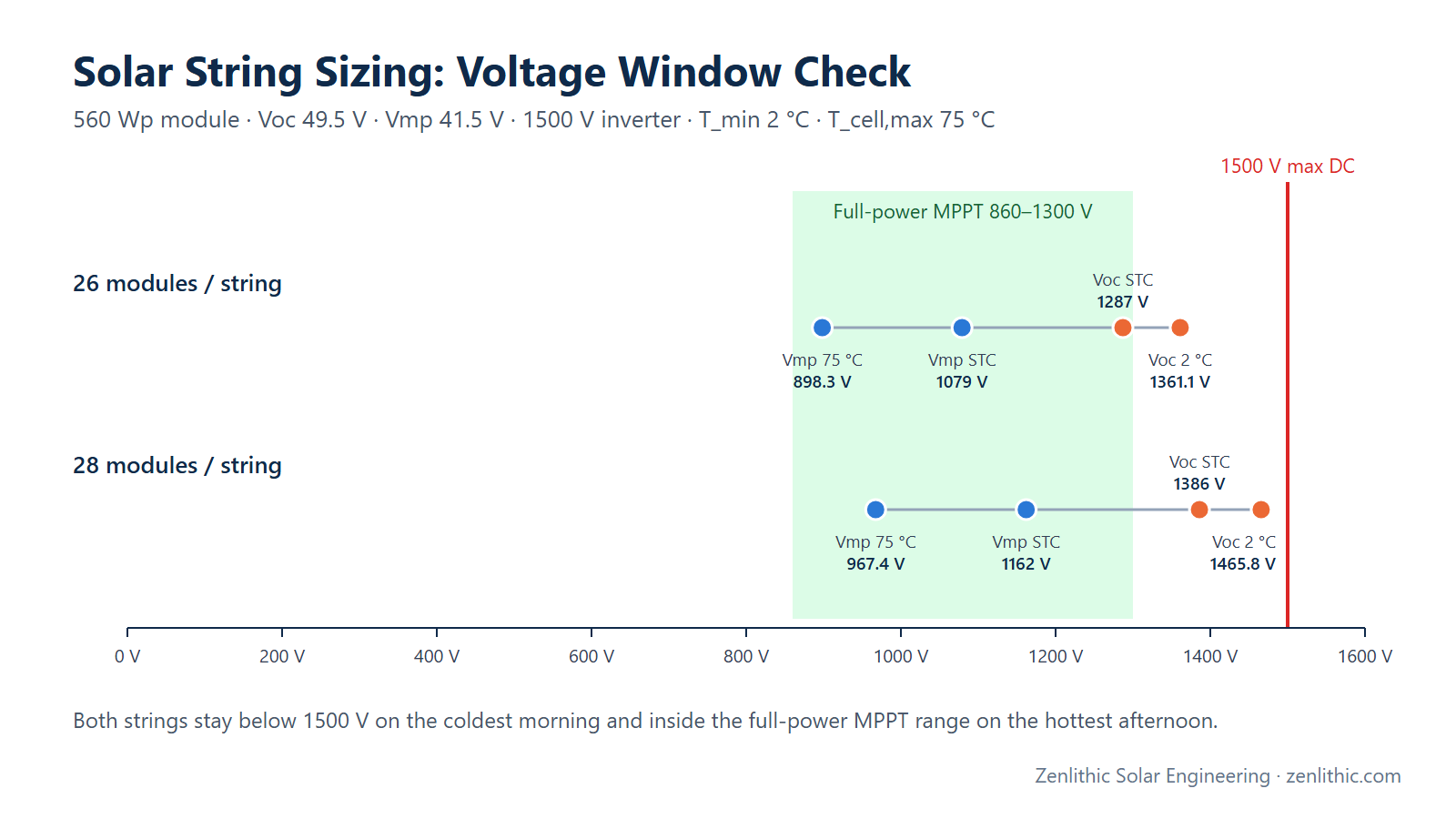
A complete engineering guide to PV string sizing — cold-temperature Voc, hot-temperature Vmp, MPPT window and current checks — with a fully worked 26 vs 28 module example for a 1500 V string inverter.
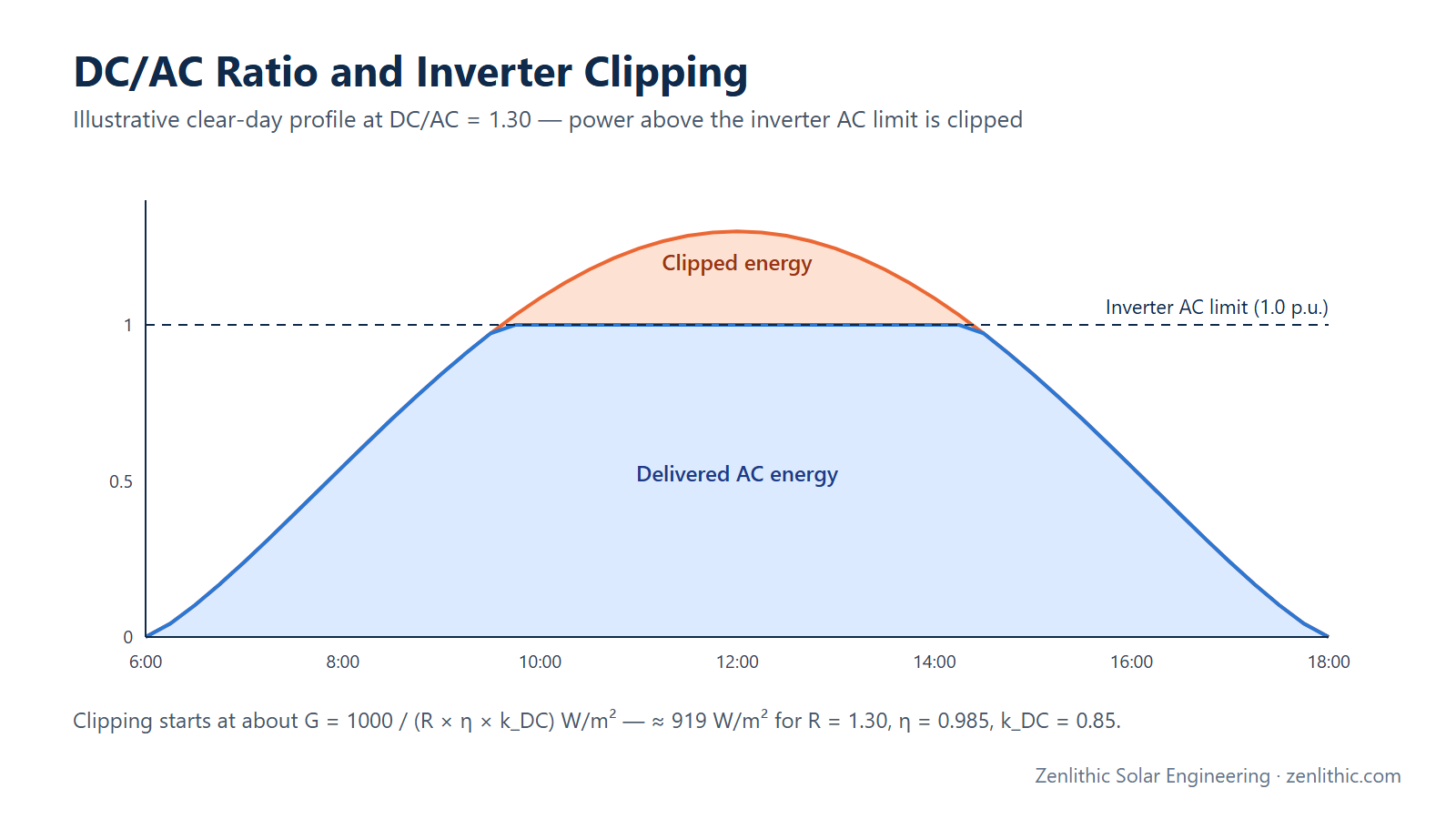
A practical engineering guide to DC/AC ratio (inverter loading ratio) and inverter sizing — MPPT input limits, clipping threshold calculation, reactive-power headroom and a worked 10 MW example.
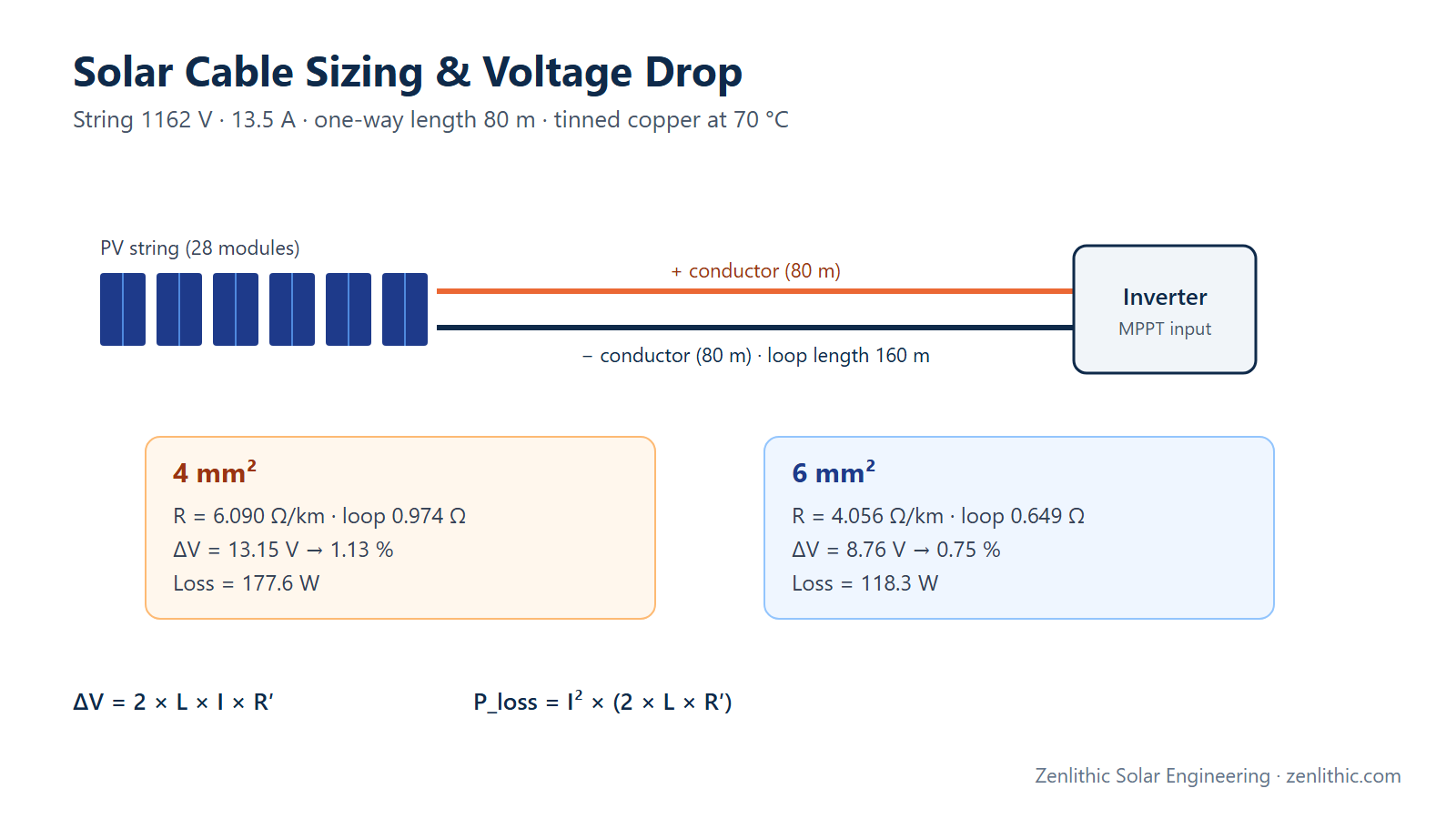
How to size DC string cables and AC/HT cables for solar plants — design current, derating, voltage drop and loss formulas, short-circuit withstand, copper vs aluminium — with complete worked examples.
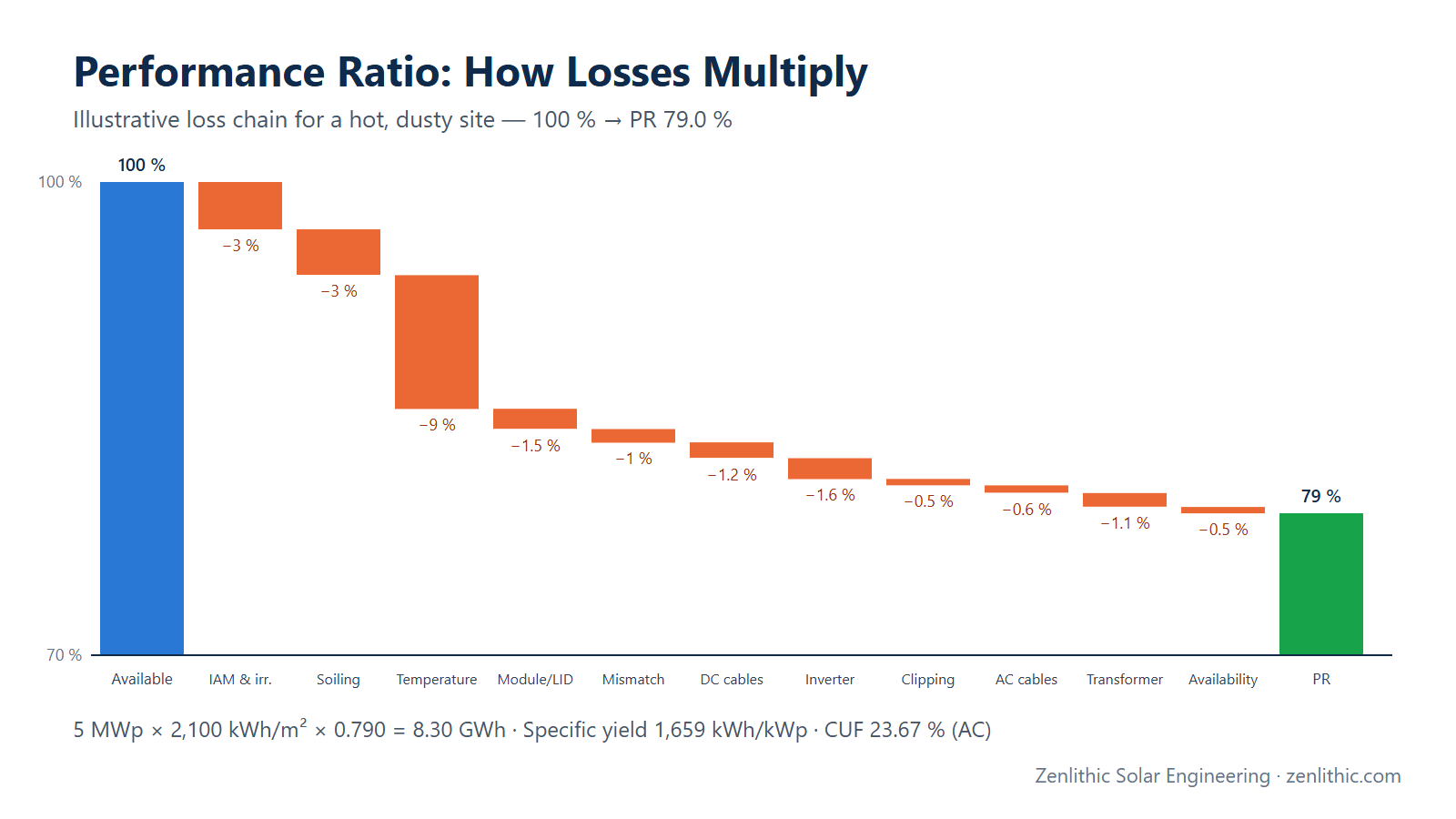
How to calculate solar plant generation, performance ratio (PR), specific yield and CUF — with a complete 5 MWp / 4 MWac worked example, an explicit loss chain and clearly stated assumptions.
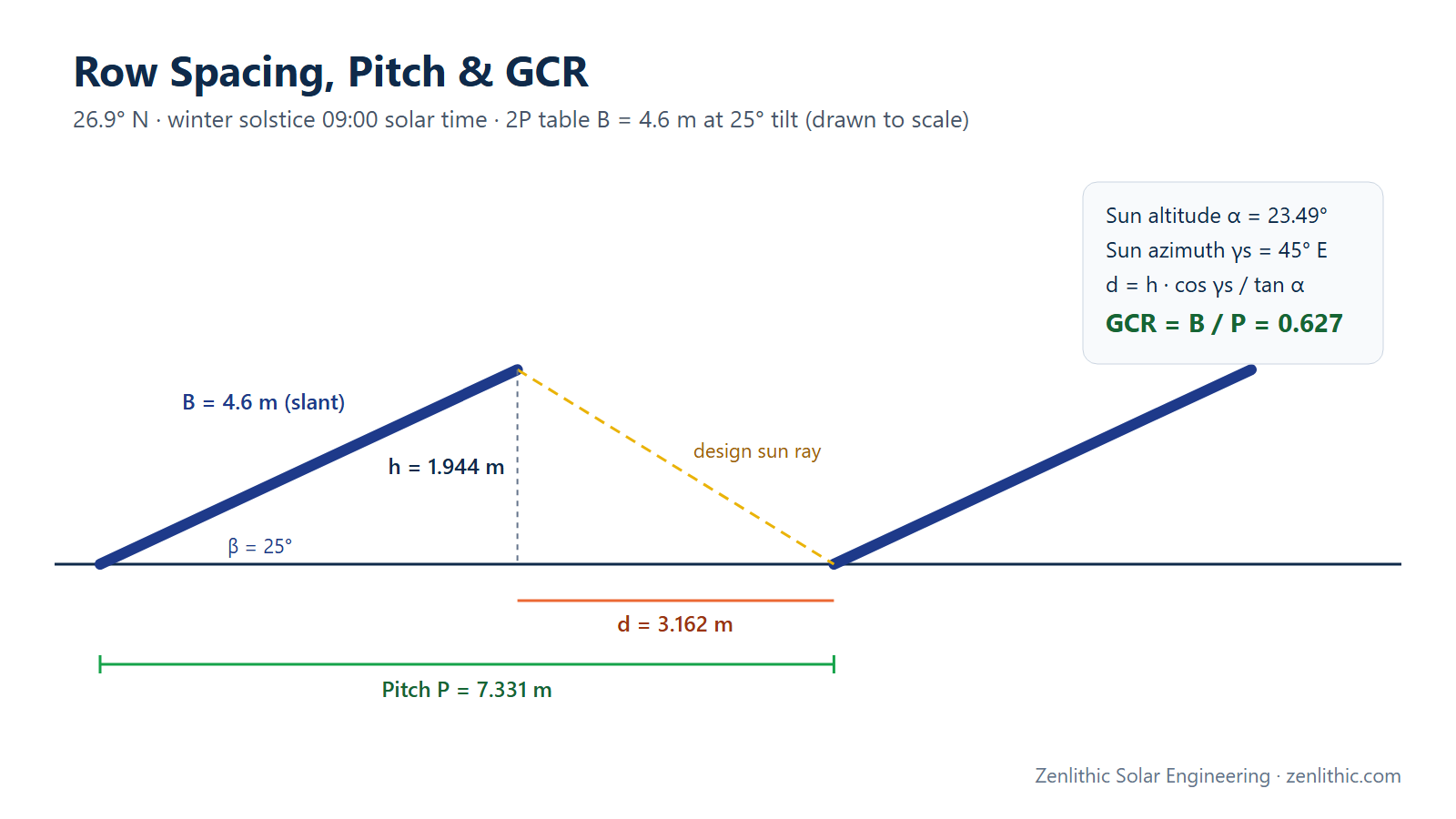
How to calculate solar row spacing, pitch and GCR from sun position — winter-solstice shadow analysis, tilt trade-offs and land density — with a fully worked example for a fixed-tilt plant in Jaipur.
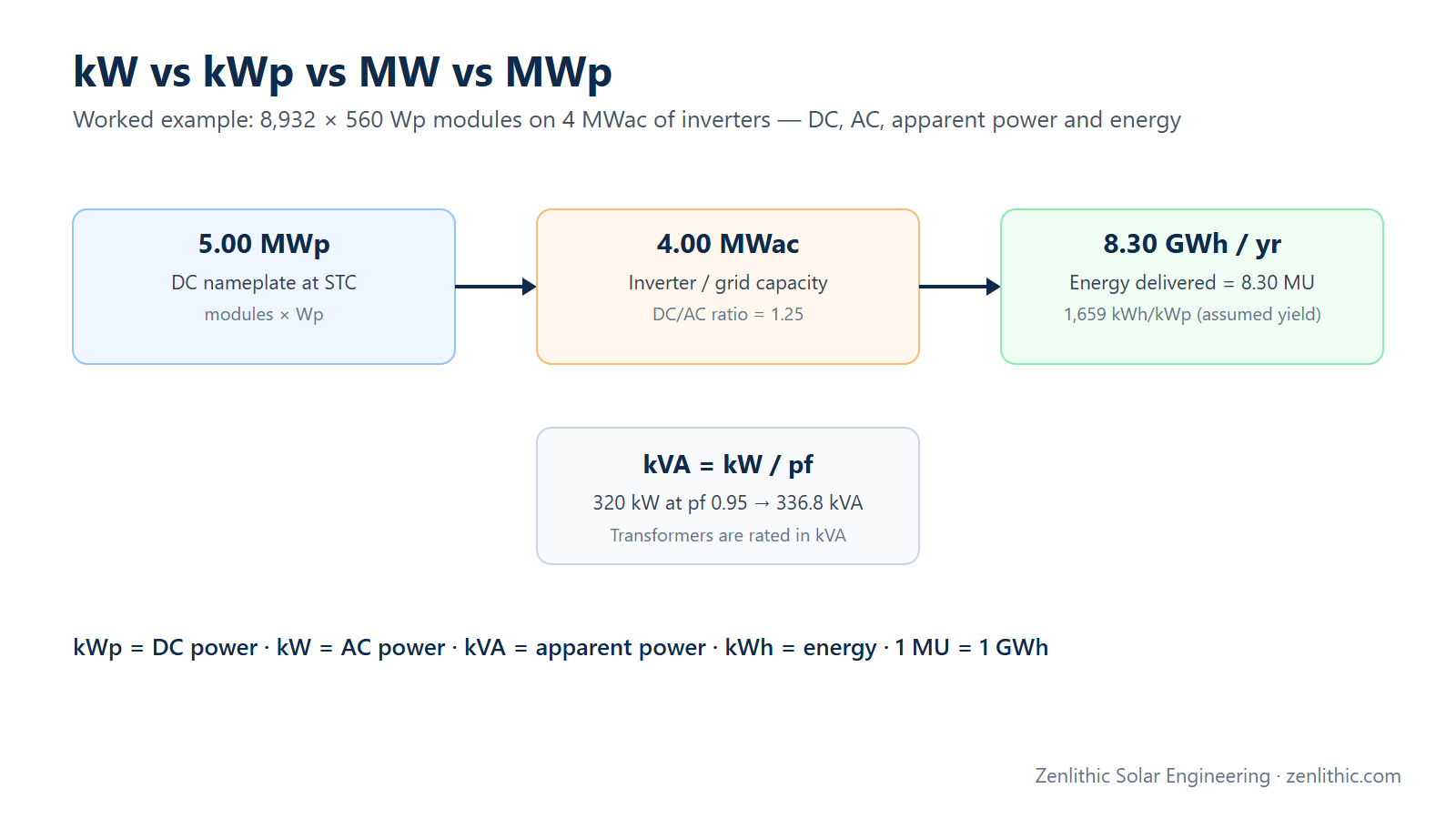
The difference between kW, kWp, MW, MWp, kVA, kWh and MU in solar projects — what each measures, where each belongs in a proposal or tender, and a worked 5 MWp / 4 MWac example.
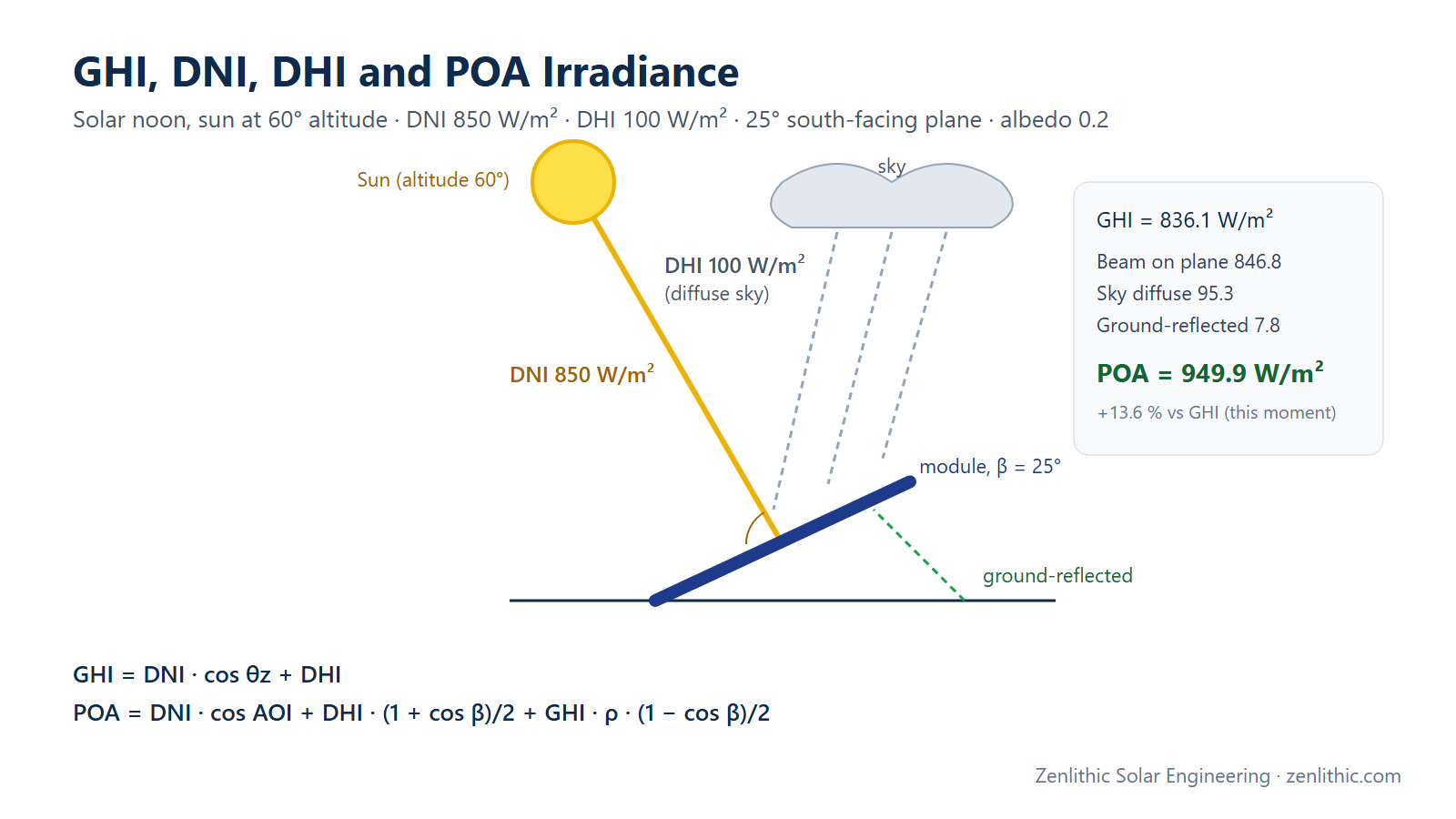
What GHI, DNI, DHI and POA irradiance mean, how they relate, how tilted-plane irradiance is calculated from them, and which one to use in generation, PR and PVsyst — with a verified worked example.
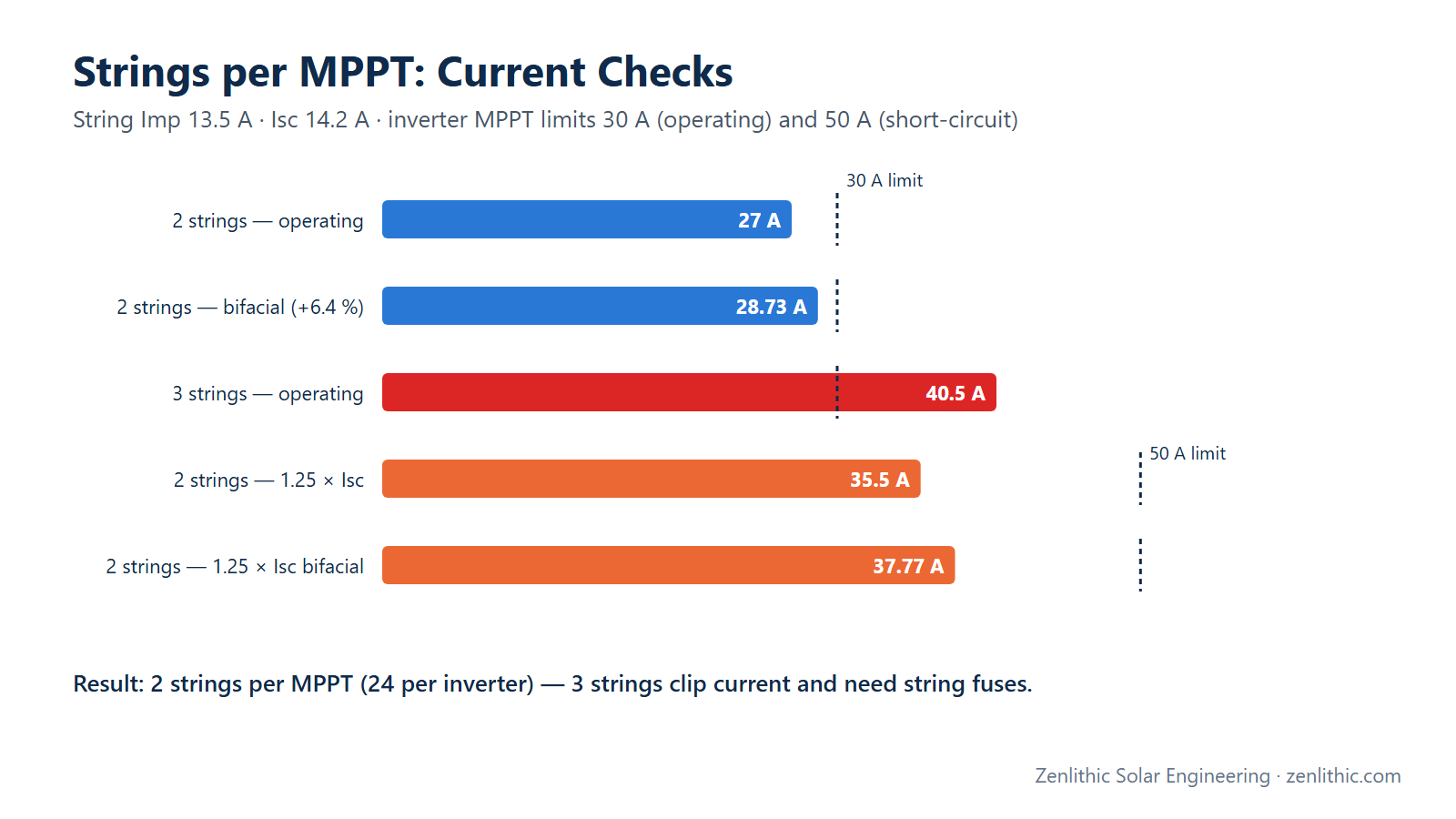
How to calculate the number of strings per MPPT and per inverter — operating current, short-circuit current, bifacial gain, string fuse requirements and orientation rules — with a verified worked example.
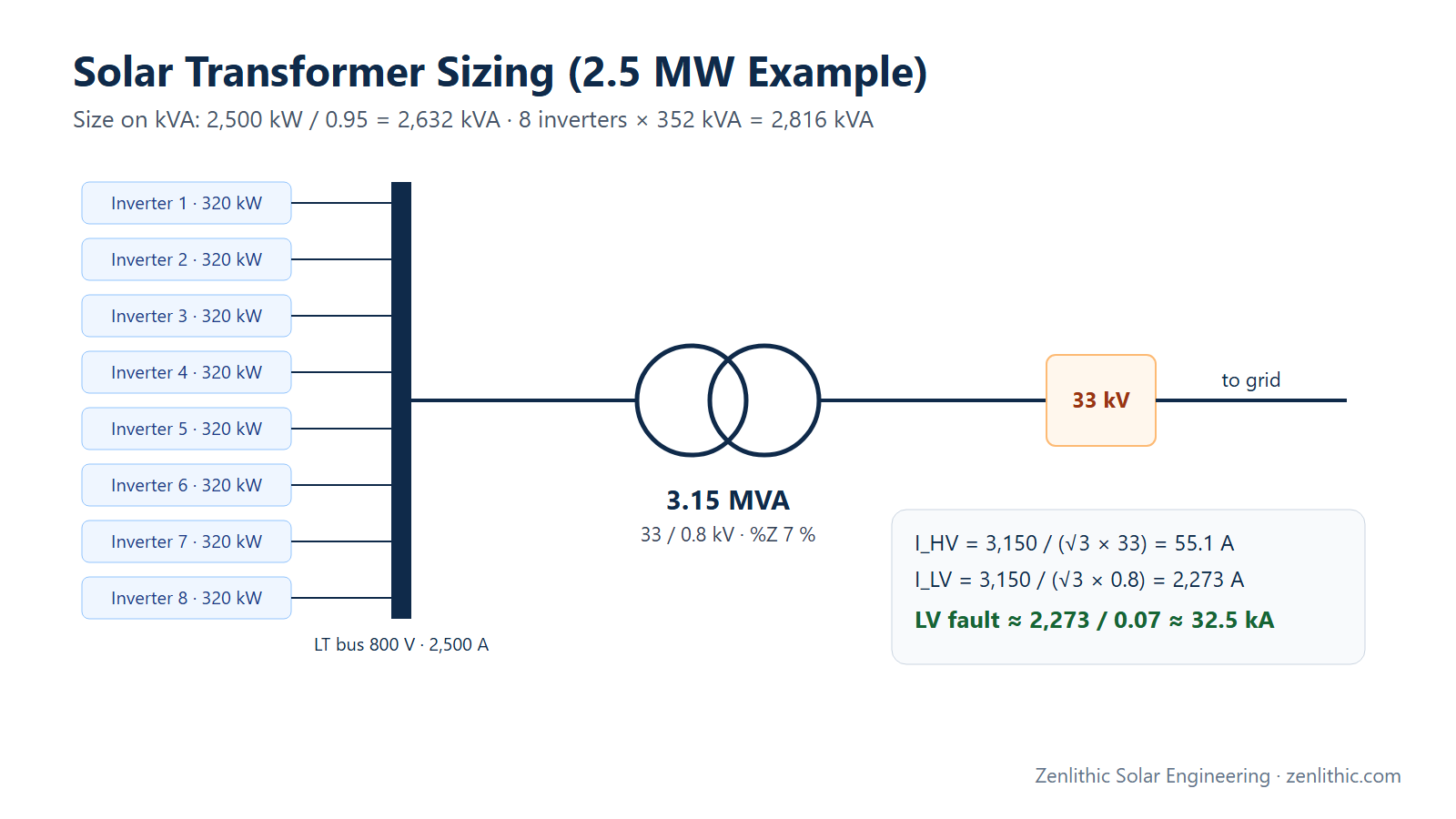
How to calculate the kVA/MVA rating of a solar step-up transformer, choose impedance and vector group, estimate losses and fault levels — with a verified 2.5 MW plant example.
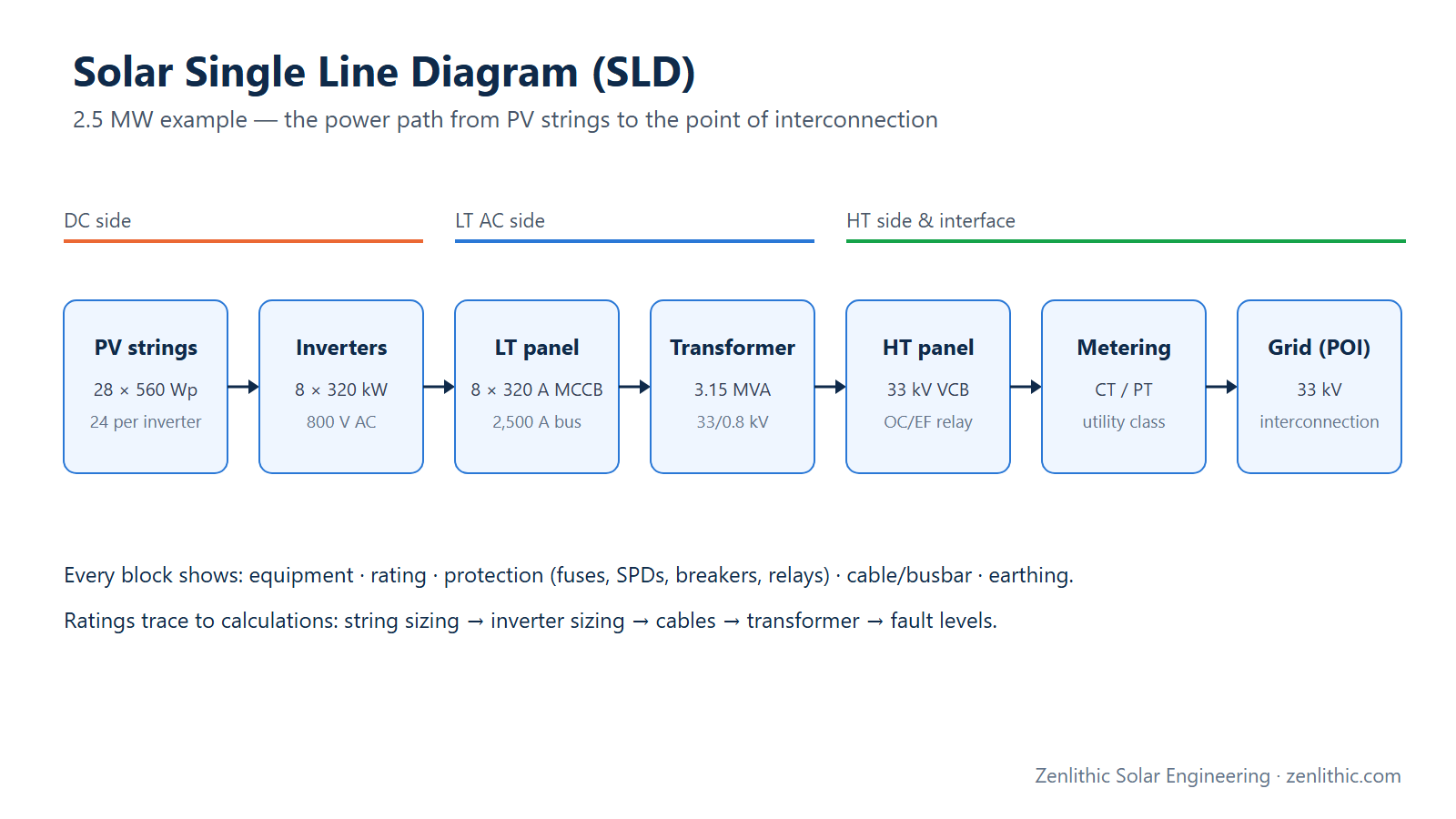
A step-by-step guide to preparing a solar plant single line diagram (SLD) — the DC, LT and HT sections, protection, metering, earthing and ratings — illustrated with a 2.5 MW plant example.
Online marketplaces make buying easy — and a few simple checks make it safe. Learn how to evaluate sellers and listings, pay securely, and handle returns and disputes.
Most freelance project problems are communication problems. These habits — a proper kick-off, regular updates, structured feedback and a clean hand-over — keep clients happy and projects on schedule.
Pricing is the hardest part of freelancing for most people. Learn how to calculate your minimum rate, when to charge hourly, fixed-price or a monthly retainer, and how to handle scope changes.
Technical interviews test problem solving and communication as much as knowledge. Follow this four-week preparation plan and walk into your next interview with confidence.
Recruiters spend seconds on a first scan. These practical tips — structure, impact bullets, keywords and projects — help your tech resume get past screening and into interviews.
Python, JavaScript or Java? The best first language depends on what you want to build. A short guide to choosing — and why the first language matters less than you think.
Re-reading notes feels productive but fades fast. Active recall and spaced repetition are two well-researched study techniques that make learning stick — here is how to use them.
A clear, stage-by-stage roadmap for becoming a full stack web developer — from HTML and JavaScript to React, Node.js, databases and deployment — with a project for every stage.
Not every popular course is the right one for you. Use these five questions — goal, level, projects, support and outcome — to pick a course you will actually finish and use.
A CI/CD pipeline turns every code change into a tested, deployable build automatically. Learn the stages of a good pipeline, the metrics to track and how to start small.
Most breaches exploit the same few weaknesses. These ten essentials — from strong authentication to dependency updates — cover the attacks web applications face most often.
A step-by-step cloud migration checklist covering assessment, the 6 Rs, security, cut-over planning and the cost optimisation most teams forget after go-live.
Most CRM projects fail on adoption, not software. A practical guide to defining requirements, migrating data, rolling out in phases and measuring whether the CRM is actually being used.
RAG lets a language model answer from your company's own documents instead of guessing. Here is how it works, what it costs, and the mistakes that make RAG answers unreliable.
AI agents can read, decide and act inside your tools — not just chat. This guide explains how they work, where they pay off, and the guardrails every business deployment needs.
One email when a new guide is published. No spam.